Table of contents
- Check if your property qualifies
- Understand zoning bylaws in Vancouver
- Confirm if your home allows a legal secondary suite
- Review BC Building Code size and layout limits
- Meet the legal basement suite requirements
- Minimum ceiling height and floor area
- Separate entrance and emergency access
- Fire separation and smoke alarm systems
- Electrical and plumbing code compliance
- Heating and ventilation standards
- Apply for permits and start construction
- Prepare floor and site plans
- Submit development and building permit applications
- Hire licensed contractors for trade permits
- Schedule inspections during construction
- Get final approval and use your suite legally
- Pass final inspection for occupancy
- Apply for a long-term rental business license
- Understand rules for short-term rentals
- Disclose the suite to your insurance provider
- Conclusion
Planning to build a legal basement suite in BC? Homeowners must follow specific requirements that can seem daunting at first.
The British Columbia Building Code states that a secondary suite cannot exceed 90 square metres (968 sq. ft.) or 40% of your home's habitable floor space — whichever is less. A legal basement suite needs more than just the right size: a minimum floor area of 37 m² (400 ft²), ceiling heights of at least 1.98 m (6'6") in all exit routes, and the suite can be no more than 1.83 m (6 ft) below grade.
The legal basement requirements are specific, but this guide will simplify the process. Once you understand the steps, creating a compliant secondary suite becomes much easier.
Check if your property qualifies
You need to determine if your property qualifies for a legal basement suite before drawing up construction plans. Understanding local regulations and confirming your property meets all requirements comes first.
Understand zoning bylaws in Vancouver
The first significant step is checking Vancouver's zoning bylaws. These bylaws act as the rulebook for what's permitted in your neighbourhood. Secondary suites are allowed in most single-family homes in Vancouver, but they must follow specific regulations outlined in the zoning bylaw. The Residential Inclusive district schedule permits various housing options, including single detached houses with secondary suites.
Many areas allow basement suites, but some neighbourhoods have specific restrictions. You need to verify your property's zoning designation before moving forward with any plans.
Confirm if your home allows a legal secondary suite
One-family dwellings in Vancouver can have one suite under the Zoning & Development Bylaw. Each primary dwelling unit in a duplex can have one suite in most zones. Here's how to verify if your property allows a secondary suite:
- Check if your home is designated as a one-family or two-family dwelling
- Confirm your zoning designation permits secondary suites
- Verify if any special restrictions apply to your property
Review BC Building Code size and layout limits
The BC Building Code historically capped secondary suites at 90 m² (968 sq. ft.) and 40% of the building's habitable floor space. Those size restrictions were removed in December 2019, giving homeowners more flexibility.
Other requirements still apply, however. Your basement suite needs a minimum floor area of 37 m² (400 sq. ft.). The suite cannot be located more than 1.83 m (6 ft.) below finished grade level. The ceiling height must be at least 6'6" over 80% of the suite area and all exit routes.
These requirements ensure your basement suite meets all provincial safety and habitability standards before construction begins.
Meet the legal basement suite requirements
Now that you know your property qualifies, let's get into the specific construction requirements you need to know about a legal basement suite in BC.
Minimum ceiling height and floor area
The BC Building Code requires a minimum ceiling height of 2.0 m over the required minimum area in a secondary suite. Your basement suite needs a minimum floor area of 37 m² (400 ft²). The space cannot be bigger than 90 m² (968 ft²) or 40% of your home's habitable floor space — whichever is less. The suite must be located within 1.83 m (6 ft) of finished grade.
Separate entrance and emergency access
A legal basement suite needs its own independent entrance. You'll also need a 900 mm (3 ft) wide, hard-surfaced path that's clear for emergency responders to access from the street to the suite entrance. Each bedroom must have at least one outside window or exterior door that can be used to escape in emergencies. These openings need a minimum area of 0.35 m² (3.77 ft²) and should be at least 380 mm (15") in all dimensions.
Fire separation and smoke alarm systems
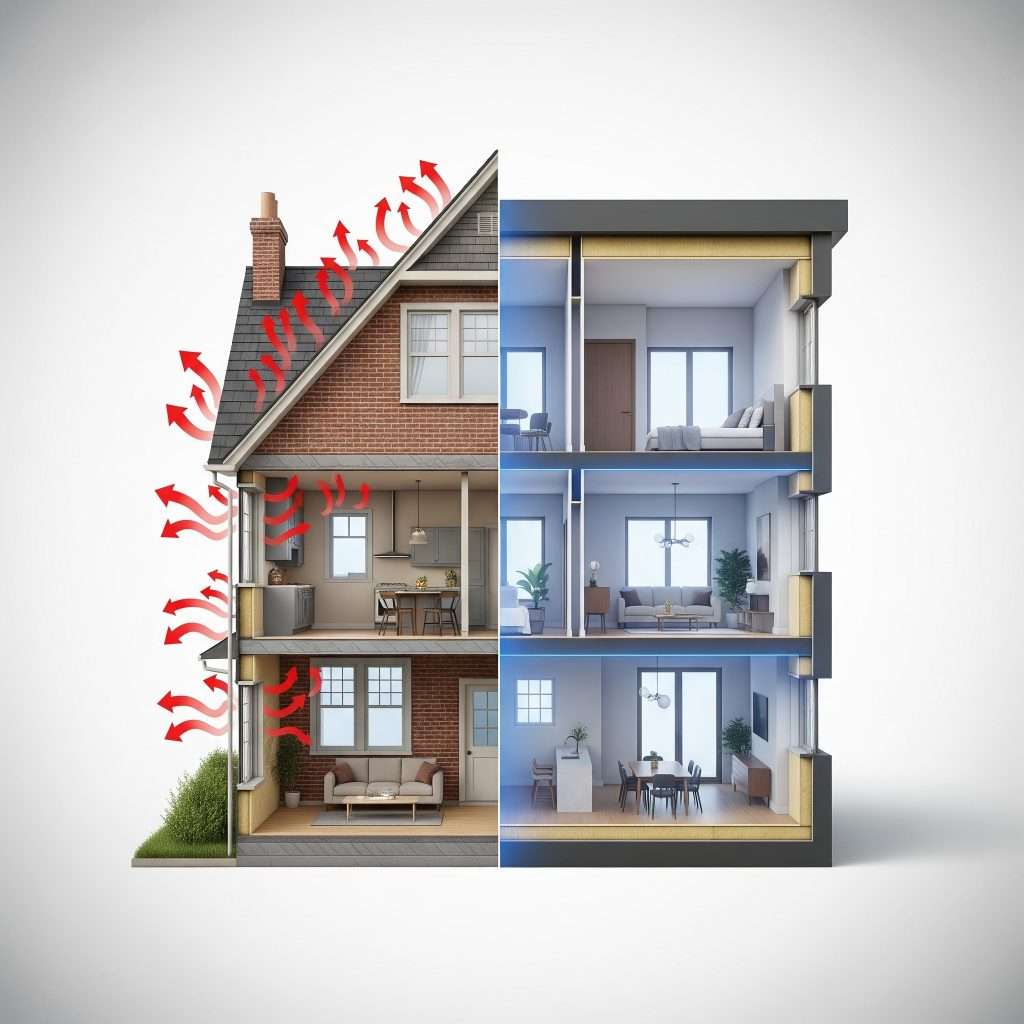
Fire separation between the suite and main dwelling is a critical safety requirement. The walls and ceiling need a fire-resistance rating — generally 45 minutes — unless you implement extra safety measures. Both units must have interconnected photo-electric smoke alarms. You'll need carbon-monoxide alarms if your home has an attached garage or fuel-burning appliance.
Electrical and plumbing code compliance
The electrical service should handle all loads, which typically means at least 100-amp service. Each kitchen requires two counter duplex receptacles on separate circuits, plus the right number of bedroom and living room outlets. The plumbing setup must include a kitchen sink, bathroom sink, toilet, and bathtub or shower in each suite.
Heating and ventilation standards
Each secondary suite needs its own temperature controls and a ventilation system that provides fresh air circulation. Bathrooms and kitchens must have exhaust fans that vent directly outside. Houses with secondary suites need ventilation systems that prevent smoke from spreading between units through duct-type smoke detectors.
Apply for permits and start construction
You need official approvals before starting construction on your legal basement suite.
Prepare floor and site plans
Your scaled floor plans must show room dimensions, windows, doors, plumbing fixtures, and ceiling heights — submit two sets. The site plans should include parking spots, paths from street to suite entrance, lane and street positions, and grade levels.
Submit development and building permit applications
The city requires a Development & Building Permit to add a secondary suite to your home. You'll need to fill out the Development and Building Permit Application Form and an Owner's Undertaking Letter. You can submit these documents with your plans through Vancouver's online portal or at City Hall.
Hire licensed contractors for trade permits
Licensed contractors must handle all trade permits for electrical, plumbing, and gas work. Your electrical contractor needs to confirm whether your current service can support the extra load or needs upgrades. These professional trades make sure your basement suite meets all legal requirements in BC.
Schedule inspections during construction
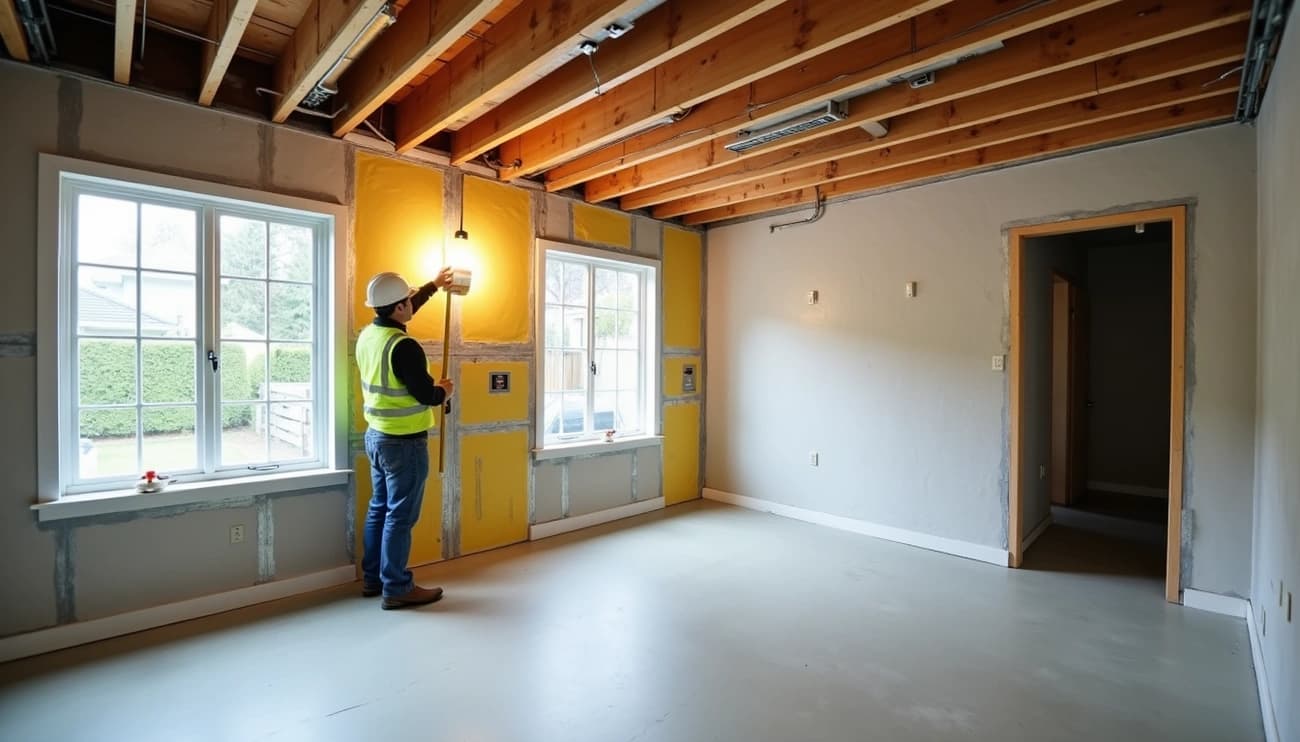
Your project needs several progress inspections during construction. You can book inspections by calling 3-1-1 before 2 p.m. to get next-day service. Your building permit fee covers inspection costs, but you might pay extra for failed inspection follow-ups. The suite becomes legal only after it passes the final inspection.
Get final approval and use your suite legally
The final stage transforms your basement project into a fully legal secondary suite after construction ends.
Pass final inspection for occupancy
Your basement suite becomes legal only after it passes final inspection. Staff will send you a confirmation letter once everything checks out. The occupancy permit must be ready before anyone can legally use the space in multi-unit buildings.
Apply for a long-term rental business license
A long-term rental business license becomes necessary if you plan to rent your suite for 90+ days at a time. This rule applies whether you self-manage or use a property manager. Current application and annual license fees are available through 3-1-1.
Understand rules for short-term rentals
Different rules govern short-term rentals (less than 90 days). The key rule is that you can't use a secondary suite as a short-term rental unless you live there as the principal resident — not in the main house. All hosts must register with BC's short-term rental registry or risk having their listings removed.
Disclose the suite to your insurance provider
Your insurance company needs to know about your secondary suite. Many homeowners wrongly think their existing policy covers the suite — it doesn't. Your insurance contract could become void if you don't disclose, and any resulting claim could be denied. Tenant insurance offers an extra layer of protection worth requiring of your renters.
“
A properly registered secondary suite isn't just legal protection — it lifts the appraised value of the home and the rents the space can command.
”— BRIO Construction
Conclusion
Planning and following specific requirements are key to creating a legal basement suite in Vancouver. This guide outlines the steps you need — from checking your property's eligibility to getting final approval for your completed suite. The project might look overwhelming at first, but breaking it down into smaller steps makes everything much easier to handle.
Legal compliance goes beyond just following rules. It gives a safe environment for future tenants and protects you from liability. A properly registered suite can bring higher rental values and gives peace of mind to everyone involved.
You need to really understand the zoning bylaws, building code requirements, and permit processes before starting construction. This helps you avoid mistakes that can get expensive and create legal complications later. Licensed professionals can help make sure your suite meets all standards.
A legal basement suite can boost your finances in real ways. You'll earn rental income and increase your property's value — the original investment pays off through monthly revenue and property appreciation.
Written by
Amir Omidvar
Founder & Principal
Founded BRIO in 2018 to bring on-time, fixed-price guarantees to Vancouver renovations after watching too many projects spiral on his own home build.
Ready to add a legal basement suite?
Get a free in-home consultation. We respond within 24 hours.