Table of contents
- 7 Costly Kitchen Renovation Mistakes Homeowners Must Avoid in 2025
- [Not Setting a Realistic Budget](https://www.peaceofmindinteriors.ca/blog/kitchen-renovation-timeline-2025-guide)
- What this mistake looks like
- Why it leads to overspending
- How to budget for a kitchen renovation
- Pro tip: Add a 15% buffer for surprises
- [Skipping the Design Phase](https://www.bnpcontracting.ca/why-design-is-the-most-important-step-in-any-home-renovation-project/)
- What skipping design means
- Why it leads to poor layout and regrets
- How to create a functional kitchen design
- Pro tip: Use 3D renderings to visualize your space
- [Choosing Trendy Over Timeless](https://www.decorilla.com/online-decorating/kitchen-trends-2025/)
- What this mistake looks like
- Why trends fade quickly
- How to choose timeless kitchen elements
- Pro tip: Use accessories for trendy touches
- [Ignoring Lighting Needs](https://www.houzz.com/magazine/the-5-layers-of-a-well-lit-kitchen-stsetivw-vs~102255777)
- What poor lighting design looks like
- Why lighting affects functionality and mood
- How to layer kitchen lighting effectively
- Pro tip: Use dimmers and under-cabinet lights
- [Overlooking Storage Solutions](https://180kitchens.com/small-kitchen-renovation-tips-how-to-maximize-space/)
- What insufficient storage looks like
- Why it affects daily use
- How to maximize kitchen storage
- Pro tip: Use vertical space and pull-out drawers
- [Trying to DIY Without Experience](https://www.adoreyourkitchen.ca/6-reasons-you-need-to-hire-professionals-for-kitchen-remodelling/)
- What DIYing complex tasks involves
- Why it can lead to costly repairs
- How to decide when to hire a pro
- Pro tip: Get multiple quotes before hiring
- [Not Communicating With Contractors](https://www.renowow.ca/why-communication-important-during-home-renovations/)
- What poor communication looks like
- Why it leads to delays and errors
- How to maintain clear communication
- Pro tip: Use a shared message board or app
- Comparison Table
- Conclusion
7 Costly Kitchen Renovation Mistakes Homeowners Must Avoid in 2025
Kitchen renovation tips are pure gold for homeowners since a complete kitchen remodel runs about $80,000 nationally. The price tag might look high, yet these projects get back 75% of their original cost when you sell.
The benefits go way beyond just money. People who redid their kitchens gave the experience an amazing ‘joy score’ of 9.8 out of 10. A well-laid-out kitchen remodeling project makes homeowners happy. You should know that most renovations throw unexpected curveballs at you – from plumbing problems to electrical work. Smart homeowners set aside an extra 10-20% of their total budget for these surprise expenses.
Many homeowners make mistakes that get pricey during their kitchen makeover, even with good planning. They skip vital clearance spaces (paths need at least 36 inches, while cooking zones require 42-48 inches). Some forget proper counter space around the core fixtures. These mistakes can mess up both function and budget by a lot. This piece walks you through seven expensive kitchen renovation mistakes and shows you how to dodge them.
Not Setting a Realistic Budget
The biggest problem in kitchen renovations happens right at the planning stage. Your project can go off track before you pick your first cabinet handle if you don’t set a realistic budget.
What this mistake looks like
Homeowners who start kitchen remodeling projects often underestimate costs. They usually account for basic expenses like materials and labor but miss the full picture. People tend to focus on visible items such as cabinets and countertops. The core team often forgets about permits, design fees, and temporary living arrangements during construction.
The mistake shows up when people set random budget figures without checking current market rates. Kitchen renovations in 2025 can cost anywhere from CAD $40,343 for a small kitchen remodel to CAD $97,803 for bigger projects. People who skip proper research end up with unrealistic budgets that cause financial stress once work begins.
Why it leads to overspending
Poor budgeting creates financial pressure and forces compromises in design choices. Kitchen renovations often come with surprises like electrical upgrades, plumbing issues, or old materials behind walls. These discoveries can quickly eat up money that wasn’t part of the original budget.
Low budgets force tough decisions mid-project. After demolition starts, homeowners face a tough choice: stop the renovation with an unusable kitchen or continue with compromises they might regret. This situation often results in rushed decisions and extra costs.
Industry experts say kitchen projects exceed original budgets by 10-20% without proper financial planning. This turns an affordable update into a financial burden.
How to budget for a kitchen renovation
Good kitchen renovation budgeting starts with detailed research and a 3realistic assessment. List your desired changes and sort them as “needs” versus “wants”. This helps you spend money better when you need to make trade-offs.
A well-laid-out approach needs these key budgeting steps:
-
Determine your total budget ceiling – Experts suggest spending about 5-10% of your home’s value in today’s market on a major kitchen remodel. To cite an instance, see a home worth CAD $1,000,000 – you might set aside CAD $50,000 to CAD $100,000.
-
Break down expenses by category – Typical budget percentages include:
-
Cabinetry and hardware: 30-35%
-
Labor and installation: 20-25%
-
Appliances: 15-20%
-
Countertops: 10-15%
-
Flooring: 5-10%
-
Lighting and electrical: 5%
-
Plumbing: 5%
-
Painting and finishes: 3-5%
-
-
Research current costs – Get at least three quotes from different contractors to learn about realistic price ranges for your location and project scope. Live costs for labor and materials can vary between regions.
-
Consider timing – Good advance planning prevents rushed decisions that cause overspending. This matters more in uncertain economic times when supply chains face disruption.
-
Track expenses meticulously – Use a detailed spreadsheet to monitor estimated and actual costs throughout your project. This helps prevent gradual budget increases.
Pro tip: Add a 15% buffer for surprises
Kitchen renovations face unexpected challenges even with careful planning. Experts consistently suggest adding a contingency fund of 15% beyond your estimated budget.
This buffer protects you against common surprises like:
-
Water damage or rot under old fixtures
-
Outdated electrical wiring that doesn’t meet current codes
-
Structural issues hidden before demolition
-
Unexpected permit fees or inspection requirements
This buffer helps you make thoughtful choices that line up with your original vision instead of quick, compromised decisions. You can always upgrade fixtures or finishes toward the end if you don’t use these extra funds.
Note that detailed planning from the start with this significant buffer can make the difference between a stressful renovation and a smooth kitchen transformation.
Skipping the Design Phase
Many first-time renovators jump from budgeting straight to demolition. They skip what might be a vital phase of a kitchen remodel.
What skipping design means
Homeowners who skip the design phase rush into buying materials or hiring contractors. They make quick decisions about cabinet placement, appliance locations, and workflow without proper planning. Rather than creating a complete plan, these renovators rely on existing layouts or make scattered decisions. The result? A kitchen that looks good but works poorly.
Your kitchen serves as more than just a cooking space. People socialize, clean, make plans, and entertain there. A good design plan helps accommodate these functions while keeping the space efficient.
Why it leads to poor layout and regrets
Bad kitchen design creates years of frustration. Studies show fewer accidents happen in well-designed kitchens. Poorly planned spaces make cooking take longer than needed. The value per square foot of kitchen space runs higher than garages or basements. This makes design mistakes get pricey to fix later.
A kitchen that doesn’t match your needs and lifestyle becomes a daily source of irritation. Poor planning often results in:
-
Extra steps needed during food prep
-
Not enough storage for cookware and appliances
-
Doors and drawers that can’t open all the way
-
Work zones that create traffic jams
-
Dark spots that create safety risks
Large appliances and cabinets need space. Doors and drawers should open easily with room to move around between 42-48 inches. Without this planning, daily cooking feels like navigating an obstacle course.
How to create a functional kitchen design
A functional kitchen starts with understanding how you use your space. Think about who will use the kitchen and how they’ll move through it.
These basic design elements matter most:
-
Work triangle concept – Put your refrigerator, sink, and stove in a triangle. This setup should measure 13-26 feet total. It cuts down unnecessary steps while cooking.
-
Work zones approach – Set up three zones: prepping, cooking, and cleaning. Keep everything needed for each task in one area. Put prep space near the fridge, cooking area next to prep, and washing zone close to dish storage.
-
Proper spacing – Leave 52 inches between islands and perimeter cabinets. This space becomes even more important with a sink and dishwasher on the island facing a range.
-
Storage solutions – Match cabinet sizes to your items. Use full-extension drawers and vertical storage near cooking areas for items you grab often.
Pro tip: Use 3D renderings to visualize your space
Seeing your kitchen design before building helps avoid costly mistakes. Designers say clients find it sort of hard to get one’s arms around how space changes affect daily use.
Today’s 3D tools offer safe ways to test your choices:
-
Kitchen tools turn 2D layouts into interactive 3D models
-
Software shows your kitchen from every angle
-
360° views let you stand in your future kitchen
-
Virtual builders help you try different cabinets, finishes, counters, and floors
These tools give you a reality check before making permanent changes. 3D designs help contractors understand your vision better, which cuts down misunderstandings.
Time spent on design planning creates a kitchen that works well and looks great for years. You’ll save money and avoid frustration by not rushing through this vital step.
Choosing Trendy Over Timeless
Kitchen remodeling excitement often leads homeowners to chase current trends without thinking about their lasting impact. This can result in a kitchen that looks outdated just a few years later.
What this mistake looks like
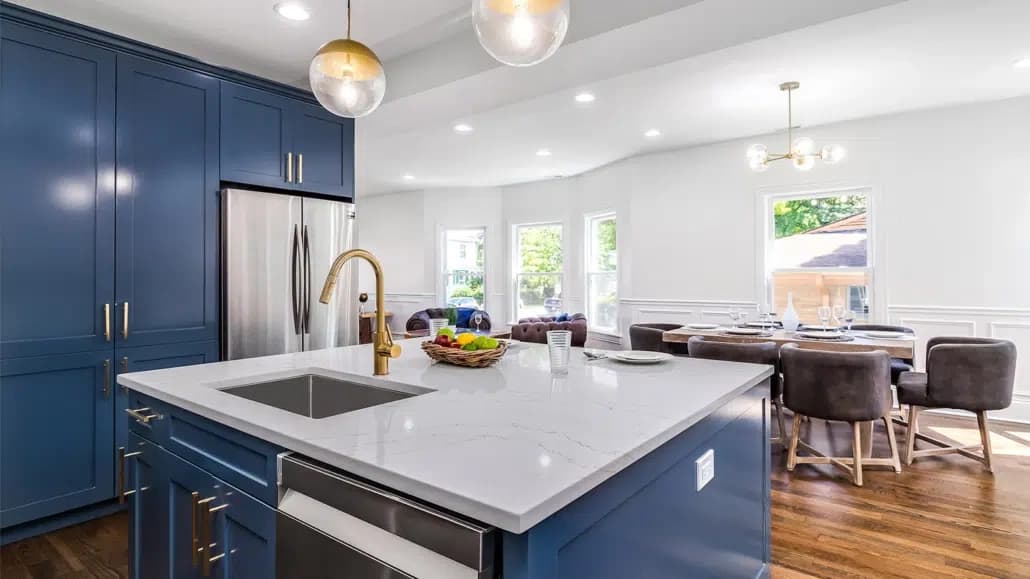
Homeowners who choose trendy over timeless designs often pick distinctive elements that reflect current fashions. Recent examples include heavily veined marble with pronounced patterns, bold cabinet colors like navy and emerald green, decorative range hoods with ornate details, and trendy hardware finishes. Helen Parker, creative director at deVOL Kitchens, notes, “Trends give people the excuse to keep making rash, sometimes expensive changes to their homes, only to regret it or tire of it in a few years’ time”.
This mistake happens when people create a social-first esthetic instead of practical functionality. Gold fixtures and navy cabinets might look great in photos, but their appeal might not last beyond the trend cycle. Many homeowners make these choices without thinking how they’ll go together with their home’s architecture and character.
Why trends fade quickly
Kitchen trends don’t last long for several reasons. They usually represent reactions to previous styles rather than genuine timeless design principles. Popular trends become everywhere, which leads to market saturation and people getting tired of them.
These trendy elements stand out too much, making them easy to spot from a specific time period. What makes them attractive at first becomes the exact thing that dates them. One source points out, “We’ve all walked into a space and immediately thought, ‘Wow, this is so 2000s!‘”.
Social media and design publications speed up trend cycles by constantly promoting “the next big thing.” Yesterday’s must-have features become tomorrow’s renovation regrets.
How to choose timeless kitchen elements
Timeless kitchen elements rely on fundamentals that have lasted throughout design history:
-
Natural materials: Stone, wood, and metal age gracefully. These materials develop character over time instead of just looking worn.
-
Neutral color palette: Whites, blacks, grays, browns, and subtle earth tones work best for permanent fixtures. An expert says, “White, black, browns, and grays have been historically integrated into both traditional and contemporary designs, proving that these colors are universally ageless”.
-
Quality craftsmanship: Classic cupboards and fittings that are well-made will keep their structural integrity and visual appeal for decades.
-
Functional layouts: Practical organization systems matter more than decorative elements that might affect functionality.
-
Cohesive design: Your kitchen should look harmonious rather than having statement pieces that grab attention.
Timeless kitchens look like they belong naturally in the space—comfortable, functional, and elegant without being tied to any specific era.
Pro tip: Use accessories for trendy touches
The smartest way to include current trends is through easily replaceable items. This lets you enjoy contemporary styles without getting stuck with permanent changes that can get pricey.
You can bring trendy elements into your timeless kitchen by:
-
Using bold colors in dishware, glassware, or textiles that you can change seasonally
-
Adding current patterns through window treatments or upholstery
-
Showing off trendy accessories like cutting boards, cookbook stands, or decorative canisters
-
Updating lighting fixtures and hardware for a fresh look
Helen Parker suggests, “The key to surpassing fashion is to go for simple beautifully made classic cupboards, fittings and worktops and then add small well-chosen pieces gradually, ensuring they are things you will grow to love more rather than go off because they are a little bit ‘of the moment'”.
This balanced approach helps your kitchen evolve naturally without needing a complete renovation when trends change.
Ignoring Lighting Needs
Kitchen lighting is one of the most overlooked elements in renovation projects, yet it changes how your space works and feels.
What poor lighting design looks like
Bad kitchen lighting often shows up as a single overhead fixture that creates shadows on work surfaces. Dark corners become accident-prone spots and make everyday tasks harder than they need to be. The biggest problem comes from installing a grid of recessed downlights without thinking about their placement. This leads to uneven lighting and shadowy work areas.
Poor lighting design has these issues:
-
No task lighting in key food preparation areas
-
Poor light above sinks and stovetops
-
Cold, clinical lighting without any warmth
-
Dark cabinet interiors that make finding things difficult
-
Uneven brightness that strains your eyes
A lighting expert points out that “installing too many recessed lights makes the space feel too sterile”. Many homeowners also place pendant lights at the wrong height – either too high so they’re not effective, or too low so they get in the way.
Why lighting affects functionality and mood
Your kitchen’s lighting affects both its practical use and emotional feel. Good lighting directly affects safety, especially with sharp knives and hot cookware. Bright work areas help streamline processes and reduce accidents, particularly when kids help in the kitchen.
Lighting also shapes your kitchen’s emotional atmosphere. Smart lighting lets you switch between a bright, energetic cooking space and a soft, relaxed dining area. This versatility helps your kitchen serve different purposes throughout the day.
Good lighting helps keep things clean by making spills and crumbs easy to spot. This practical benefit keeps your kitchen hygienic without extra work.
How to layer kitchen lighting effectively
A well-lit kitchen needs layers, just like a layered cake. Each layer has its purpose:
-
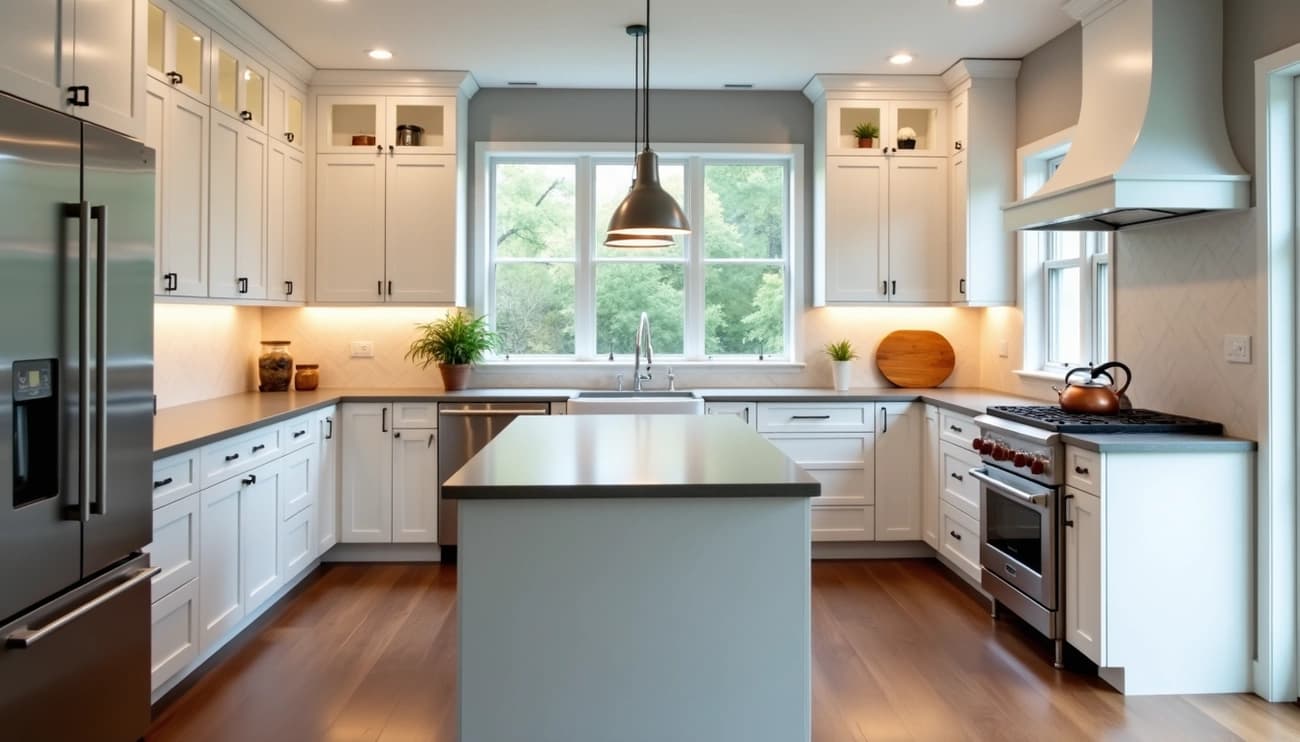
Ambient lighting gives general illumination that helps you move around. Recessed ceiling lights or flush-mounted fixtures create an even glow throughout.
-
Task lighting brightens work areas. Under-cabinet lights, pendant fixtures above islands, and targeted lighting above sinks let you complete kitchen tasks safely and quickly.
-
Accent lighting (or showcase lighting) makes architectural features, backsplashes, or display areas stand out. This layer adds depth and visual interest while creating an inviting space.
Each fixture’s height and placement matters. Task lights should avoid casting shadows on work surfaces. Accent lighting should highlight your kitchen’s best features without creating glare.
Pro tip: Use dimmers and under-cabinet lights
Simple lighting upgrades often make the biggest difference in kitchen renovations. Under-cabinet lighting is vital but many homeowners skip it. These fixtures eliminate upper cabinet shadows and provide essential task lighting right where you need it.
Dimmers offer exceptional flexibility by letting you adjust light levels based on time and activity. One expert says, “during the day, natural light from windows might be all the lighting your kitchen requires. But at night, you’ll want your kitchen brighter for cooking meals and more dramatic for entertaining guests”.
Installing separate dimmers for each lighting layer works best. You can create preset scenes—bright light for cooking, moderate lighting for dining, and soft ambiance for entertaining—without redoing your kitchen’s wiring.
A thoughtful approach to kitchen lighting during renovation creates a space that’s beautiful, practical, safe, and adaptable to your daily needs.
Overlooking Storage Solutions
Storage often goes unnoticed until your renovation ends, leaving you with a beautiful but impractical kitchen. Your kitchen needs proper storage planning to create a functional cooking space that supports daily activities.
What insufficient storage looks like
Cluttered countertops and overstuffed cabinets where items hide in plain sight are signs of insufficient kitchen storage. Pots and pans stack precariously and create a noisy avalanche when you search for something specific. Small cabinets can’t fit larger appliances, so they end up on countertops and take up valuable work space. Cabinet interiors without organization systems waste space, especially corner cabinets where items disappear in the back.
Why it affects daily use
Bad storage makes your kitchen less functional and efficient. You waste time looking for utensils and ingredients because disorganized spaces turn simple cooking tasks into challenges. Multiple people can’t work together because poorly planned storage creates bottlenecks. Items that are hard to reach often stay unused or forgotten, which leads to buying duplicates and waste.
Each kitchen item needs its own spot based on how often you use it and what it does. Organization experts put it well: “Being able to grab a dinner plate without moving the salad plates makes life so much easier”.
How to maximize kitchen storage
Group your items by function instead of size to optimize kitchen storage. Set up zones for prep, cooking, and cleaning with related items close by. These strategies work well:
-
Shelf risers double your cabinet’s vertical space
-
Drawer dividers create clear boundaries between categories
-
Eye-level spots work best for everyday items while less-used ones go higher up
-
Cabinet doors become useful with hooks or racks for lids and utensils
-
The cabinet next to your dishwasher makes perfect sense for everyday dishes
Pro tip: Use vertical space and pull-out drawers
Vertical space remains the most underused area in kitchens. The space between upper cabinets and countertops works great for magnetic knife strips or paper towel holders. On top of that, the space between cabinets and ceilings stores bulky, rarely used items.
Pull-out drawers change how your kitchen works. These solutions let you reach every inch of cabinet space without digging through contents. Deep cabinet pull-outs save you from crawling inside to reach back items. More than 150,000 homeowners love pullout pantry organizers with door racks because everything stays organized and easy to reach.
Trying to DIY Without Experience
You might want to save money by renovating your kitchen yourself, but this can be risky if you don’t have the right experience.
What DIYing complex tasks involves
Kitchen remodeling covers more than just painting cabinets or changing hardware. Complex renovations need electrical wiring, plumbing changes, structural work, and must follow building codes. These tasks can be dangerous and challenging without specialized knowledge.
Kitchen electrical work can be very dangerous. Bad wiring might cause electrical fires or create shock hazards. Plumbing mistakes often lead to leaks and water damage. Mold can grow inside walls for months without anyone noticing. DIY projects usually take three to four times longer than when professionals do the work.
Why it can lead to costly repairs
Trying to save money through DIY work often backfires. Studies show that many homeowners who start DIY projects ended up hiring professionals to fix their mistakes. They spend more money than if they had hired pros from the start. Costs get even higher when DIY work damages the structure, especially when amateur demolition affects load-bearing walls.
DIY work that breaks building codes won’t pass inspections and needs fixing. Keep in mind that most insurance companies won’t cover damage from unpermitted DIY work. This leaves you at risk if something goes wrong.
How to decide when to hire a pro
Here are clear signs that show when you need professional help with kitchen renovations:
-
Only licensed professionals should handle electrical work, plumbing, or gas lines
-
You need experts to check any changes that might affect load-bearing walls
-
Professional oversight is vital for work that needs permits or inspections
Be honest about what you can do and how much risk you’re willing to take. One expert says, “If you’re not confident in your abilities, it might be wise to consult a professional. Without the right skills, you could find yourself stuck halfway through a project”.
Pro tip: Get multiple quotes before hiring
Get 3-4 quotes for your project before choosing a contractor. This helps you understand the project scope and what your budget can achieve.
Check if quotes include disposal costs, permits, and materials. Be careful with very low bids—they usually mean the contractor lacks insurance, proper licenses, or is desperate for work. Higher bids might reflect better quality work, proper insurance, and complete warranties.
Good communication with your contractor is key throughout the renovation. Ask questions about their experience, timeline, and warranty options before signing any contracts.
Not Communicating With Contractors
Kitchen renovations often fail because homeowners and contractors don’t communicate well. Good communication throughout your project can make the difference between stress and success.
What poor communication looks like
Bad communication shows up in many ways. Homeowners don’t clearly state their priorities, contractors skip progress updates, and nobody has a plan to handle unexpected problems. Many homeowners think contractors can read their minds about what they want. Handshake deals without paperwork create a recipe for disputes and confusion.
Why it leads to delays and errors
Poor communication hits your project hard. Mixed messages about schedules cause delays. Confusion about materials or design choices means work has to be redone, and that gets pricey. Your project runs over budget and behind schedule, and everyone ends up frustrated.
How to maintain clear communication
Put everything in writing from day one. Document your project scope, product details, and specifications. Meet regularly with your contractor to check progress and solve problems quickly. A detailed contract should spell out the work, materials, budget and timeline. Save all your messages and emails.
Pro tip: Use a shared message board or app
Construction software changes how renovation teams work together. These platforms give you a central place where project conversations stay organized and available. Everyone gets instant updates about important questions. Most apps let you share photos, track progress, and keep daily records.
Comparison Table
Renovation Mistake
Description
Main Consequences
Key Solutions
Expert Tip
Not Setting a Realistic Budget
People often underestimate costs by counting only obvious expenses like materials and labor
Projects go over their original budgets by 10-20%
Break down expenses by category (e.g., Cabinetry 30-35%, Labor 20-25%, etc.)
Add a 15% buffer when unexpected problems come up
Skipping the Design Phase
People rush into buying materials without planning the layout
The space works poorly, workflow suffers, safety becomes a concern
Plan your work triangle (13-26 feet total) and maintain proper spacing (52″ between islands)
Look at 3D renderings before construction starts
Choosing Trendy Over Timeless
People pick distinctive design elements that match current trends
The kitchen looks outdated quickly and updates get pricey
Pick natural materials and neutral colors
Add trendy touches through accessories instead of fixtures
Ignoring Lighting Needs
Single overhead fixtures create shadows and dark spots
The kitchen becomes less functional with safety risks and poor atmosphere
Add three layers: ambient, task, and accent lighting
Put in dimmers and under-cabinet lights
Overlooking Storage Solutions
Limited storage leads to messy countertops and chaos
Daily tasks take longer and space goes to waste
Group items by function and create zones for prep/cooking/cleaning
Make use of vertical space and pull-out drawers
Trying to DIY Without Experience
Taking on complex tasks without proper skills
Repairs cost more, safety risks increase, code violations happen
Let professionals handle electrical, plumbing, and structural work
Get quotes from 3-4 contractors
Not Communicating With Contractors
Unclear expectations without proper documentation
Projects take longer, mistakes cost more, budgets run over
Write detailed contracts and check in regularly
Use a shared message board or construction software
Conclusion
These seven costly kitchen renovation mistakes can save you thousands of dollars and prevent countless headaches when you avoid them. This piece shows how a 15% contingency buffer in your budget protects you from financial stress if unexpected problems pop up. The time you invest in design planning will give your kitchen lasting efficiency beyond just looking good in photos.
Design choices that stand the test of time will pay off long after trends fade away. Layered lighting reshapes both your kitchen’s functionality and mood. You can switch from meal prep to entertaining guests with ease.
Smart storage solutions help eliminate daily frustrations by keeping countertops clear and cooking tools available. DIY work might look economical at first, but complex tasks need professional expertise to avoid repairs down the road. Clear contractor communication helps prevent misunderstandings that cause delays and budget issues.
Our clients learn that kitchen renovations rank among the biggest investments in their homes. Your daily life will feel the impact of these decisions for years—maybe even decades. A realistic budget, solid planning, and qualified professionals will help you achieve that remarkable 9.8/10 “joy score” we mentioned earlier.
Your kitchen remains the heart of your home. Avoiding common mistakes helps create a space that boosts your property value and brings joy to everyday life. A well-executed kitchen renovation should feel more like an exciting home transformation than a stressful project.
Written by
Amir Omidvar
Founder & Principal
Founded BRIO in 2018 to bring on-time, fixed-price guarantees to Vancouver renovations after watching too many projects spiral on his own home build.
Ready to start your kitchen renovation?
Get a free in-home estimate. We respond within 24 hours.