Table of contents
- How to Build a Laneway House in Vancouver: Real Costs & Hidden Fees
- Is Your Property Eligible for a Laneway House?
- Zoning and lot size requirements
- Rear [lane access](https://www.vreg.ca/wp-content/uploads/2020/06/laneway-housing-guide.pdf) and site conditions
- How to check your eligibility
- Planning and Designing Your Laneway Home
- Working with architects and builders
- Design tips for small spaces
- Sustainability and energy efficiency
- Accessibility and future-proofing
- How Much Does a Laneway House Cost in Vancouver?
- Average cost range and influencing factors
- Cost-saving strategies
- Financing options and government incentives
- What to Expect During the Build Process
- Permit application and approval timeline
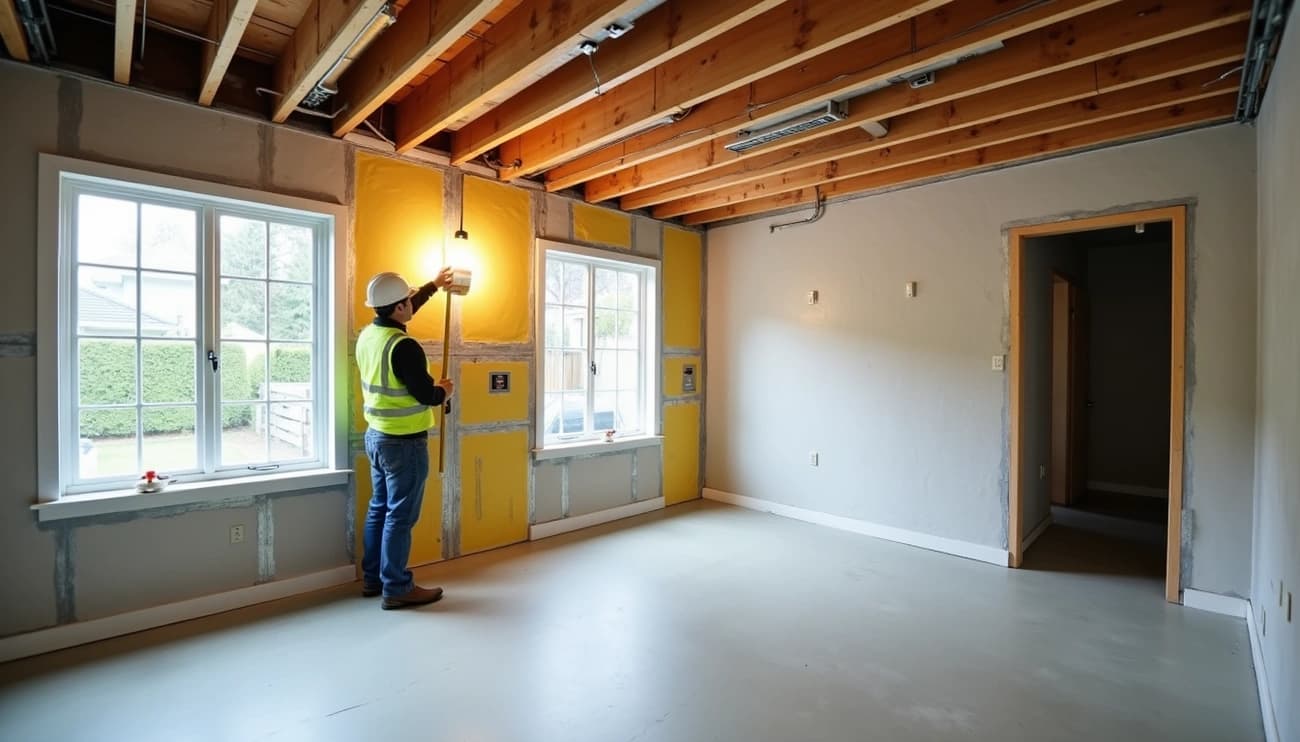
- Construction phases and inspections
- Common delays and how to avoid them
- Conclusion
Read This First.
How to Build a Laneway House in Vancouver: Real Costs & Hidden Fees
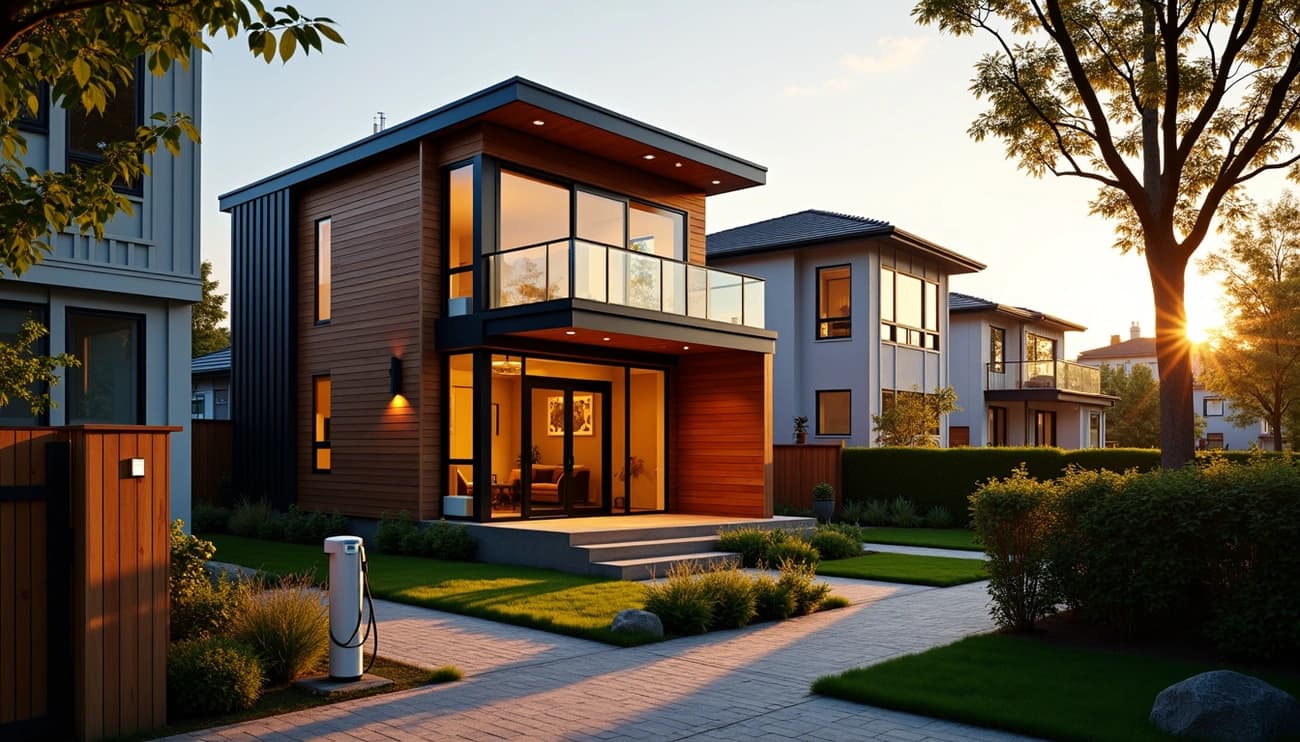
Want to know how much a laneway house cost in Vancouver will set you back? Most range between $100,000 and $300,000.
A Vancouver city survey reveals some interesting numbers. About 36 percent of laneway houses need $200,000 to $300,000 to build. Another 27 percent cost between $100,000 and just under $200,000. These space-smart homes usually span 500 to 900 square feet and have become a popular housing choice across the city.
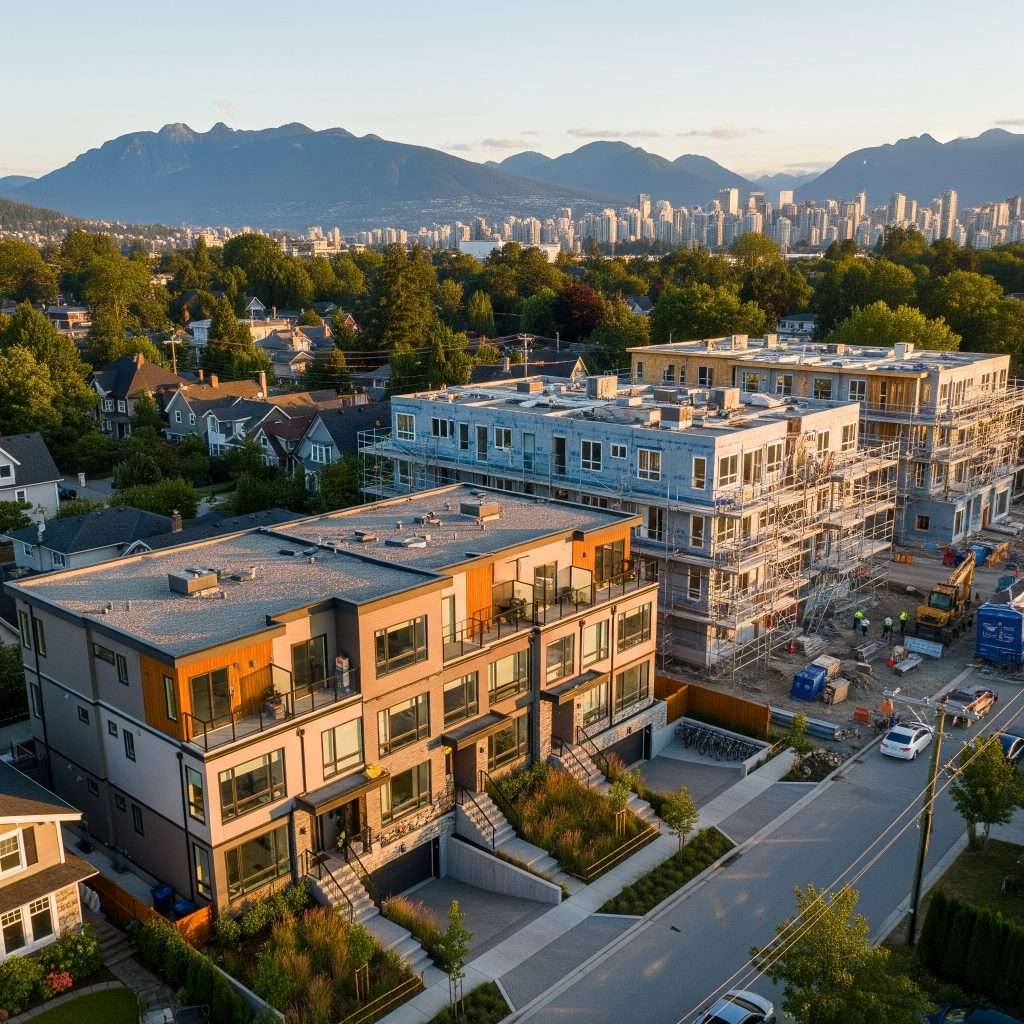
Vancouver’s laneway housing rules came into effect in 2009, and the results are impressive. More than 4,000 laneway homes now dot the cityscape! The trend makes sense, as nearly half of all new Vancouver houses come with a laneway house.
Your final costs might hit $400,000 to $500,000, depending on where you build, what materials you choose, and how complex your design gets. But here’s a money-saving tip – building your laneway house while constructing the main house can cut costs significantly. About 47 percent of laneway homes built this way cost less than $200,000.
This detailed guide walks you through the essentials of building a Vancouver laneway house. You’ll learn about property eligibility, permit requirements, cost management, and construction steps. Ready to dive in?
Is Your Property Eligible for a Laneway House?
You should check if your property qualifies before spending time and money on planning your laneway house project. Vancouver’s specific eligibility criteria are 25 years old and you must meet them before starting construction.
Zoning and lot size requirements
Not every Vancouver property can have a laneway house. Eligible zoning districts include all RS zones, RT-4, RT-5, RT-6, RT-11, RM-7, RM-8, and RM-9 variants. On top of that, it must be a single-family dwelling or one with a secondary suite. Properties with duplexes, triplexes, or other multi-family dwellings can’t add laneway houses.
Your lot needs to be at least 9.8 meters (about 32 feet) wide. In spite of that, the Director of Planning might approve construction on narrower lots down to 7.3 meters (24 feet) wide. They’ll think over factors like massing, overlook, and how it affects neighborhood privacy.
Rear lane access and site conditions
The name gives it away – laneway houses need lane access. Your property must have access to an open lane, sit on a corner served by a lane, or be on a double-fronting site with streets at both ends. Your site also needs enough depth for both a backyard and laneway house.
Single-story structures can extend up to 10.7 meters (35 feet) from the rear property line, while 1.5-story designs get 7.9 meters (26 feet). You must keep 4.9 meters (16 feet) between the laneway house and main residence.
How to check your eligibility
Here’s how to know if your property qualifies:
-
Verify your zoning – Check your property’s zoning designation on Vancouver’s website. The Development and Building Services Center (604.873.7611) can help you figure this out.
-
Measure your lot dimensions – Make sure your lot is wide enough and has space for both the laneway house and required gap from the main house.
-
Check lane access – Your property needs proper rear lane access as the rules state.
-
Talk to professionals – Ask architects or builders who know Vancouver laneway homes to look at your property.
-
Reach out to planning – Vancouver’s planning department can give you definite answers.
Planning and Designing Your Laneway Home
Your property’s eligibility confirmation marks a significant step toward planning and designing your laneway home. This phase will substantially affect both functionality and your Vancouver laneway house’s final cost.
Working with architects and builders
Expert professionals who specialize in laneway houses bring tremendous value. They understand unique challenges and opportunities these compact homes present. Skilled architects and builders can guide you through Vancouver’s complex regulations. They create designs that tap into the full potential of your property. Several firms provide both custom designs and pre-designed models that match different budgets and timelines. Expert specialists help you avoid mistakes that get pricey and your project moves smoothly from concept to completion.
Design tips for small spaces
Each square foot counts in a laneway house design. Open concept layouts remove unnecessary walls and let natural light flow freely, creating spacious feel. Floor-to-ceiling shelving, hanging racks, and lofted areas free up valuable floor space as vertical storage solutions. Multi-purpose furniture like sofa beds, storage ottomans, and fold-down tables maximize functionality. Mirror placement opposite windows creates depth and increases natural light throughout your compact home.
Sustainability and energy efficiency
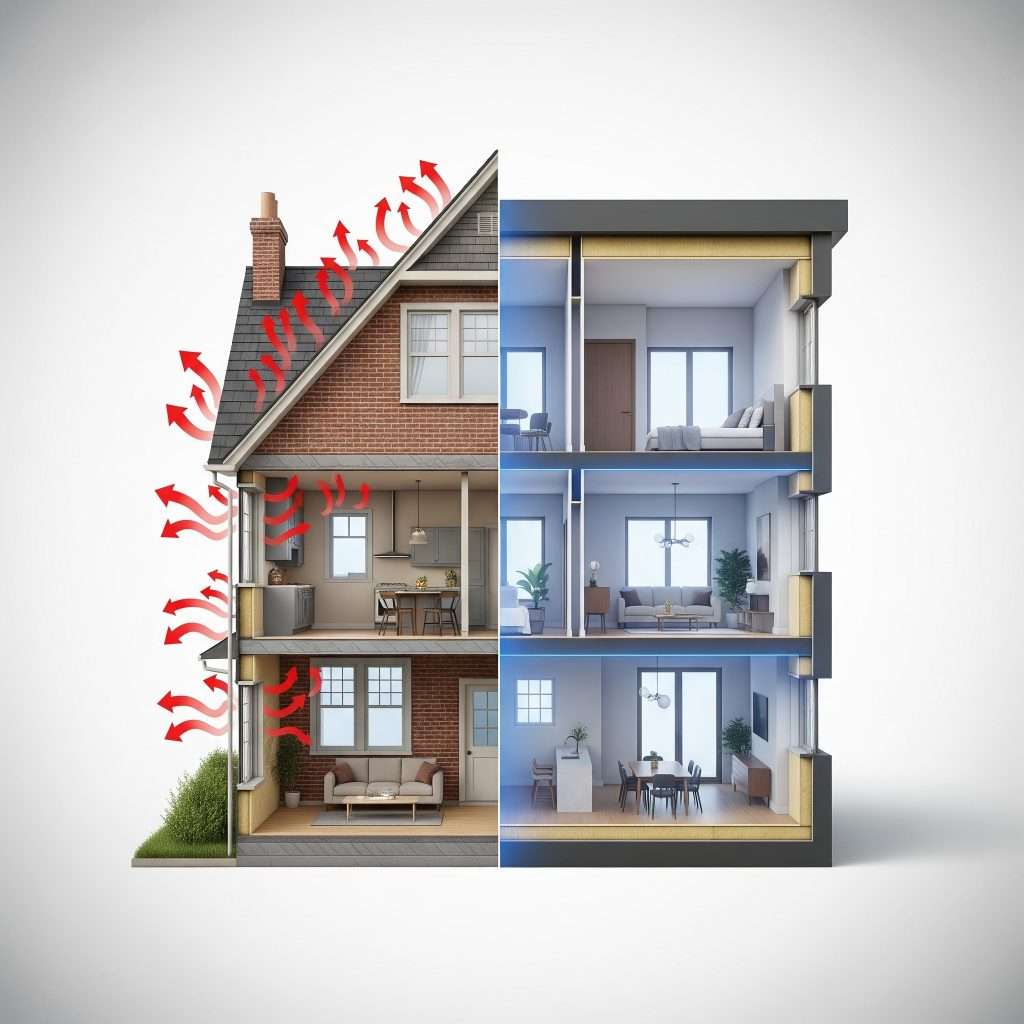
Vancouver requires all new homes to be zero emissions in operation by 2030. New laneway houses must meet specific energy efficiency standards that include electric space heating and hot water requirements. Builders now offer homes built to BC Step Code standards. These homes feature high-performance insulation, energy-efficient appliances, and renewable energy options like solar panels. Eco-friendly features reduce environmental impact and lower your utility costs over time.
Accessibility and future-proofing
Accessibility-focused design makes your laneway house functional as needs evolve. Step-free entries, wider doorways, and grab bars enhance accessibility. Open floor plans make movement easier, particularly for mobility aid users. These design elements let residents age comfortably while they retain their independence.
How Much Does a Laneway House Cost in Vancouver?
The financial commitment is a vital part to think over before starting a laneway house project. A complete breakdown of costs, financing options, and what it all means will help you plan better.
Average cost range and influencing factors
A 2018 City of Vancouver survey shows that laneway houses cost between CAD 139,336 and CAD 418,008 to build. The numbers break down further: 36% of laneway projects cost CAD 278,672 to CAD 418,008, while 27% cost between CAD 139,336 and CAD 278,670. Building costs usually range from CAD 487 to CAD 696 per square foot.
These key factors affect the final price:
-
Design’s size and complexity
-
Material and finish quality
-
Site’s condition and access
-
Utility connection needs
Cost-saving strategies
You can save about CAD 139,336 by building your laneway house while constructing a new main house. That’s why 90% of Vancouver’s laneway houses are built with new main homes.
Here are more ways to cut costs:
-
Pick simple floor plans with fewer complex features
-
Use prefab or modular construction methods
-
Create layouts that minimize hallways and unused space
Financing options and government incentives
Homeowners usually fund their projects through:
-
Personal savings or construction loans
-
Home Equity Lines of Credit (HELOCs)
-
Special laneway house mortgages
The Secondary Suite Incentive Program (SSIP) gives you a forgivable loan that covers 50% of construction costs (up to CAD 55,734) if you rent below market value for five years. The Federal Government plans to launch a similar program in 2025.
What to Expect During the Build Process
Getting your permits approved is the first big milestone in your laneway house experience. You must submit applications for water and sewer permits before moving forward with your building permit application. A standalone laneway house takes about 13.4 weeks for approval.
Permit application and approval timeline
The permit process follows a well-laid-out sequence:
-
Research and verify zoning requirements
-
Prepare documentation (property title, site plans, energy efficiency assessments)
-
Submit applications and pay required fees
-
Make requested revisions
-
Receive final approval and register with BC Housing
Your property title must have a covenant prohibiting strata titling registered before construction begins.
Construction phases and inspections
After securing permits, construction moves through several stages that need mandatory inspections:
-
Foundation inspection (before pouring concrete)
-
Framing and structural inspection
-
Electrical and plumbing inspections (before closing walls)
-
Final occupancy inspection
These inspections make sure all work meets safety regulations, relevant bylaws, and green building standards.
Common delays and how to avoid them
Projects face setbacks even with careful planning. Different city departments give inconsistent information, applications remain incomplete, and landscape requirements cause delays.
Here’s how you can minimize delays:
-
Work with professionals who know laneway houses
-
Begin the permit process early
-
Give quick responses to city’s information requests
-
Submit complete and detailed applications
Most laneway house projects take 6-12 months from planning to completion, based on project complexity and site conditions.
Conclusion
A laneway house needs substantial investment, but many Vancouver homeowners find the benefits worth every penny. This piece covers everything from qualifying requirements and design options to real costs and building timelines.
These homes serve multiple purposes. They work great as rental properties, family living spaces, or downsizing options. Vancouver’s laneway housing scene keeps growing strong. More than 4,000 laneway homes exist since Vancouver’s 2009 regulations came into effect. On top of that, laneway homes appear in almost half of all new Vancouver houses today, which shows how they help meet housing demands.
Money matters remain the biggest concern for most homeowners. Prices usually fall between $100,000 and $300,000, but smart planning can cut down costs substantially. Building your laneway house along with the main house proves the most economical approach. Simple designs and financing options like HELOCs or government incentives can make these projects more available to many.
The building process needs time and thorough planning. Working with professionals who know Vancouver’s rules helps avoid getting pricey delays and keeps everything up to code. Most projects take 6-12 months from the original concept to completion.
Laneway houses offer a great solution to Vancouver’s housing challenges. They give homeowners flexibility and income opportunities. With good planning and clear expectations about costs and timelines, your laneway project can turn unused property into a valuable asset that serves you well for years.
Written by
Amir Omidvar
Founder & Principal
Founded BRIO in 2018 to bring on-time, fixed-price guarantees to Vancouver renovations after watching too many projects spiral on his own home build.
Ready to build your laneway home?
Get a free in-home consultation. We respond within 24 hours.